
Mumbai. 15 September 2026
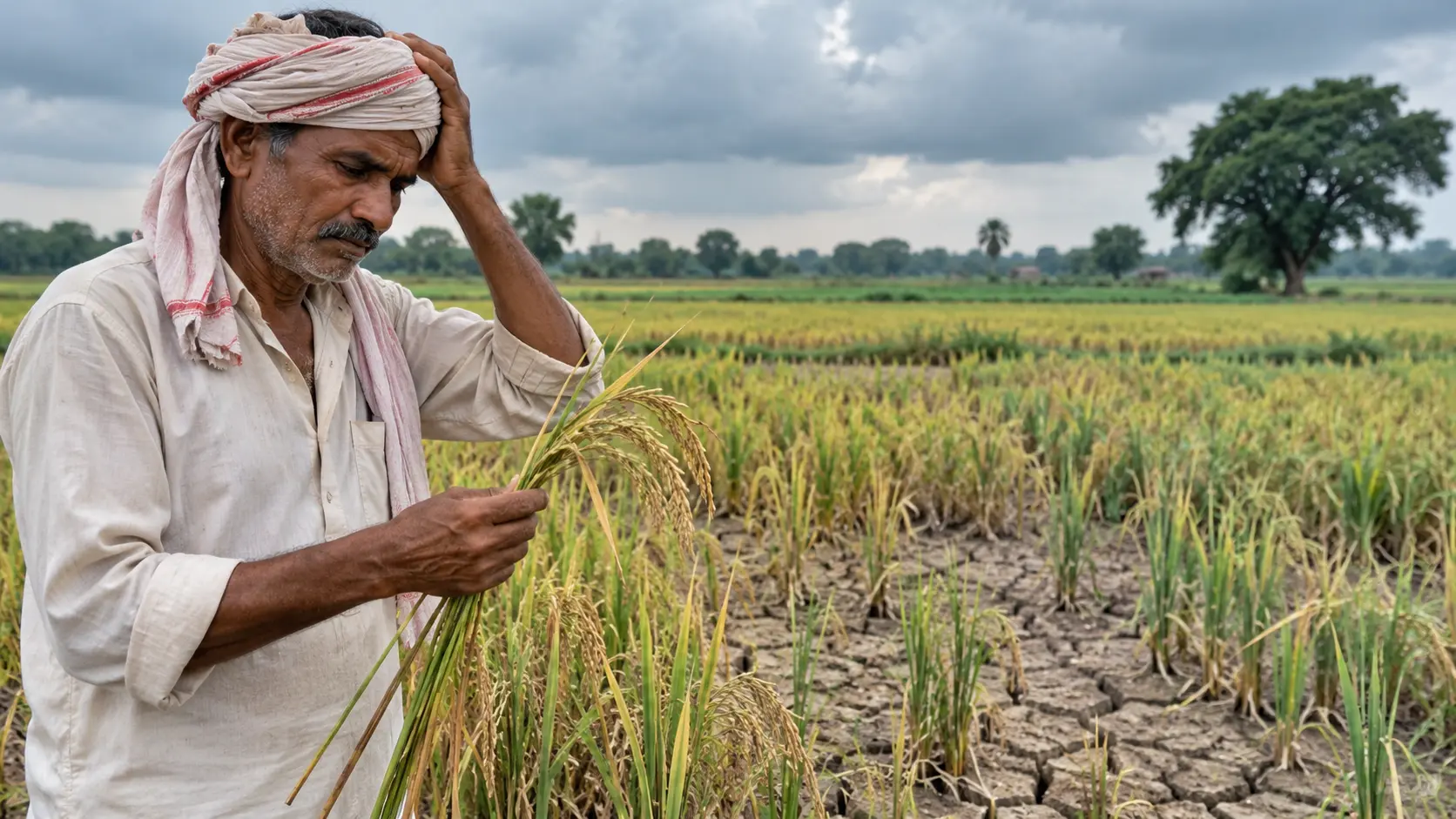
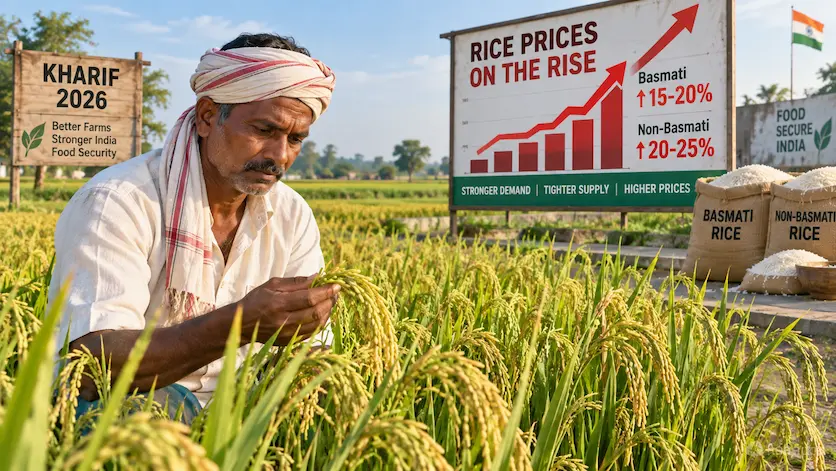
Rice prices across India have entered a sustained upward trajectory in 2026, affecting both premium Basmati and essential non-basmati varieties. From wholesale agricultural mandis to local retail stores, households and traders are navigating higher costs driven by monsoon delays, firm farm-gate Minimum Support Prices (MSP), and persistent overseas buying.
With the crucial Kharif crop harvest approaching during October–November 2026, market participants are closely evaluating whether upcoming supplies will ease pressure on household budgets.
Key Factors Driving the Price Surge
-
Monsoon Uncertainty & Supply Guarding: Rainfall variability across traditional rice-growing belts (Uttar Pradesh, Bihar, Punjab, and West Bengal) generated early supply concerns. Anticipating potential yield declines, millers and traders began accumulating stocks early, pushing wholesale prices up ahead of actual supply shortfalls.
-
Robust International Export Demand: Global food-security initiatives and supply hedging by West Asian, African, and Southeast Asian nations have intensified competition for Indian grain.
-
Higher Minimum Support Price (MSP): For the 2026–27 Kharif season, the Indian government increased the MSP for common paddy to ₹2,441 per quintal and Grade-A paddy to ₹2,461 per quintal. This provides vital support for farm incomes while establishing a higher cost floor across wholesale mandis.
-
Increased Processing and Freight Costs: Elevated energy, transportation, and milling costs continue to pass through the supply chain, adding to final retail shelf prices.
Variety Breakdown: Basmati vs. Non-Basmati
| Variety Type | Target Market & Buyers | 2026 Market Dynamics |
| Basmati Rice | Middle East, Europe, North America | Highly sensitive to overseas contract values and freight rates; premium varieties (e.g., 1121 Sella) maintain elevated price tags. |
| Non-Basmati Rice | Domestic retail, West Africa, Southeast Asia | Driven by high volume exports and rising mandi purchase costs; directly impacts daily household staples. |
Economic Impact Across the Value Chain
-
For Households: Retail prices absorb wholesale increases over time. Families dependent on daily rice consumption are experiencing noticeable additions to their monthly grocery bills.
-
For Farmers: Higher farm-gate realization rates offer improved revenues, particularly for growers selling directly into mandis with firm bidding. However, net profits remain dependent on local yield performance and input costs.
-
For Exporters: Millers and exporters who signed forward supply contracts before recent price rallies face narrowed profit margins as local paddy procurement costs increase.
Post-Harvest Outlook (October–November 2026)
                       ┌───────────────────────────────┐
                       │  New Kharif Harvest Arrival   │
                       └───────────────┬───────────────┘
                                       │
         ┌─────────────────────────────┼─────────────────────────────┐
         ▼                             ▼                             ▼
  [ Best Case ]                 [ Middle Case ]               [ Worst Case ]
Bumper arrivals;             Steady crop arrivals;         Yield shortfalls;
export pressure relaxes;     strong export demand persists; persistent overseas buying;
prices cool by 5–10%.        prices stay firm.             secondary price spike.
Market direction will ultimately depend on final harvest yields, government reserve procurement levels, and global shipping conditions over the coming months.
Frequently Asked Questions (FAQ)
Q1: Will rice prices decrease after October 2026?
Answer: A moderation in prices is possible when new Kharif crop arrivals hit wholesale mandis during October–November 2026. However, significant relief will depend on overall crop production volumes and international demand.
Q2: Why are non-basmati rice prices increasing alongside Basmati?
Answer: While Basmati price growth is driven by high-end international buyers, non-basmati varieties face strong demand from African and Asian export markets, coupled with higher government MSP floors in domestic mandis.
Q3: How does the higher Paddy MSP affect retail consumers?
Answer: The increased Minimum Support Price (MSP) ensures higher minimum floor prices for farmers. As millers pay more for raw paddy at mandis, processing and wholesale costs eventually filter down to retail consumers.
Related Coverage: Stay informed on regional agriculture, rural market developments, and commodity updates by visiting Matribhumi Samachar English.
Disclaimer: This article is intended for general informational purposes only. Commodity market prices, government procurement figures, and export trends fluctuate based on real-time market conditions, weather reports, and policy updates. Readers should consult official agricultural mandi bulletins and market experts before making trading or business decisions.