

New Delhi.
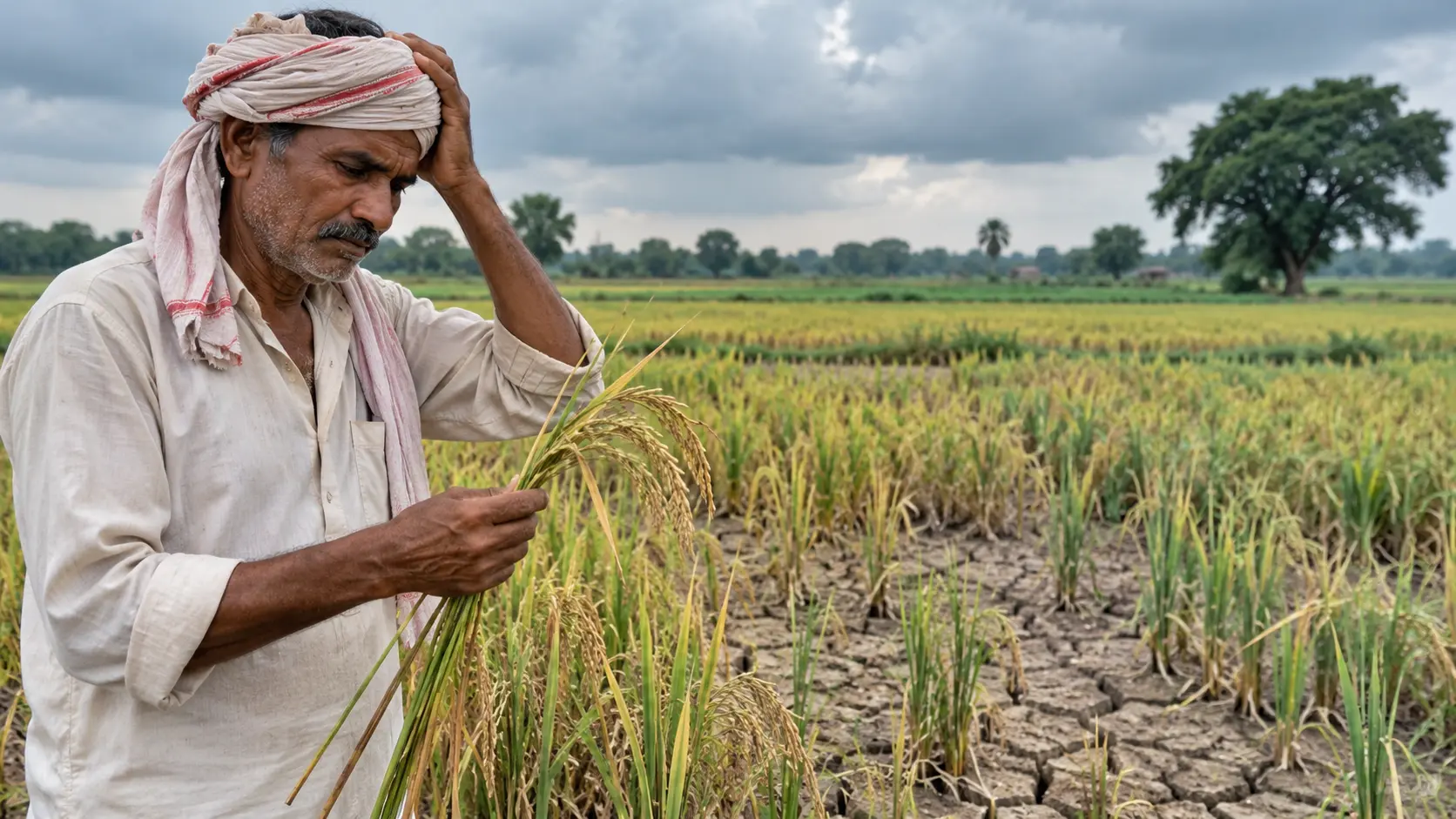
India’s agricultural sector is preparing for a potential drop in rice production, with output projected to decline by approximately 10 million metric tonnes—or nearly 6.5%—for the 2026 harvest cycle. Following last year’s record peak of nearly 154 million tonnes, this downward shift marks India’s most sharp annual fall in rice production since the severe drought period of 2009–10.
The expected shortfall highlights the ongoing vulnerability of rain-fed agriculture, even as India holds significant buffer reserves to protect domestic consumers and maintain market stability.
Key Drivers Behind the Expected Output Fall
The primary contributor to the production decline is an erratic and deficient southwest monsoon during the critical crop maturation phase. Major rice-growing belts across the country recorded significant rainfall deficits throughout the peak summer months.
-
Lower Sown Area: As of mid-September, the total acreage planted with summer-sown (Kharif) rice was reported to be roughly 4% lower year-on-year.
-
Kharif Vulnerability: Over 80% of India’s overall rice production relies on the summer crop cycle. Insufficient rainfall during crucial vegetative growth severely curtails yields.
-
Winter Crop Concerns: Depleted reservoir storage levels in several farming regions raise early concerns for the upcoming winter-sown (Rabi) crop, potentially compounding total annual yield reductions.
Domestic Price Outlook and Buffer Stock Protection
While lower output typically drives up consumer prices, the presence of historically high public stocks offers a strong buffer against rapid food inflation.
-
Inventory Cushion: As of early September 2026, government-held rice reserves (including unmilled paddy) totaled nearly 59.6 million tonnes—substantially higher than official statutory buffer targets.
-
Price Volatility: Open-market prices for non-basmati varieties have shown moderate upward movement due to anticipated market tightening. However, the government’s capacity to deploy reserves via open-market sales prevents a direct 1-to-1 spike in consumer prices.
Implications for Farmers and Export Markets
The real-world impacts of this shortfall vary significantly across the agricultural ecosystem:
+--------------------------+-----------------------------------------------------------+
| Sector                   | Expected Impact Analysis                                 |
+--------------------------+-----------------------------------------------------------+
| Premium Farmers          | Higher open-market returns for surplus basmati/fine crops.|
| Rain-fed Smallholders    | Unrecovered input costs and overall income loss.         |
| Global Rice Trade        | Indian export prices firming up; large buffers maintain  |
|                          | steady overall volume (~25M tonnes projected).           |
| Supply Chain Operations  | Elevated freight and insurance costs along Middle Eastern |
|                          | shipping routes adding pressure to global landed prices.  |
+--------------------------+-----------------------------------------------------------+
Frequently Asked Questions (FAQ)
Q1: Will the 6.5% drop in rice production cause a domestic shortage in India?
No. The official government reserves of roughly 59.6 million tonnes ensure ample supply for domestic welfare schemes and public distribution systems, preventing an immediate physical shortage.
Q2: How does this drop impact international rice prices?
India is a premier global exporter. While higher domestic prices and shipping route disruptions push Indian export quotes upward, existing inventory buffers allow export flows to continue, moderating extreme global spikes.
Disclaimer
This report is based on current agricultural market estimates and meteorological updates available up to September 2026. Official final production figures are subject to revision depending on late-season weather patterns and winter crop sowings.
For more regional news, policy updates, and independent journalism in English and regional languages, visit Matribhumi Samachar English or browse the latest updates on the National News Portal.