
New Delhi.
India lodged a formal diplomatic protest with Pakistan after a Pakistani naval vessel collided with an Indian Navy warship during a routine surveillance mission in the North Arabian Sea.
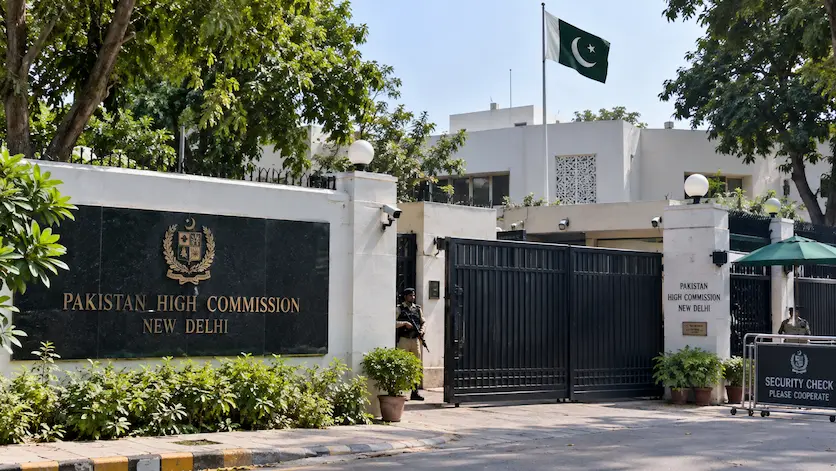
The Ministry of External Affairs (MEA) summoned Pakistan’s Chargé d’Affaires, Saad Warraich, in New Delhi to condemn what officials characterized as “unacceptable and unprofessional” maneuvering by the Pakistani Navy in international waters.
                NORTH ARABIAN SEA MARITIME INCIDENT
┌─────────────────────────────────────────────────────────────────┐
│ Incident Date : September 15, 2026 (Evening)                    │
│ Location      : International Waters, North Arabian Sea         │
│ Indian Mission: Routine Surveillance & Patrol                   │
│ Violation     : Breach of 3 NM Minimum Separation Buffer        │
│ Primary CBM   : 1991 India–Pakistan Military Movements Accord   │
└─────────────────────────────────────────────────────────────────┘
Key Highlights of the Diplomatic Action
-
Diplomatic Summons: The MEA formally summoned Pakistan’s Chargé d’Affaires in New Delhi to deliver a stern warning regarding reckless maritime maneuvers.
-
Reciprocal Demarche: India instructed its Chargé d’Affaires in Islamabad to file a parallel protest directly with Pakistan’s Ministry of Foreign Affairs.
-
Extent of Damage: Official accounts confirm no major structural damage or personnel casualties on the Indian naval warship.
-
Legal Basis: New Delhi emphasized that the incident contravened Article 10 of the 1991 Agreement on Advance Notice on Military Exercises, Manoeuvres and Troops Movements.
Context: The 1991 Agreement and Article 10
Signed in April 1991, the bilateral agreement establishes vital Confidence-Building Measures (CBMs) to prevent military friction along shared borders and maritime corridors.
┌─────────────────────────────────────────────────────────────────┐
│              ARTICLE 10: NAVAL SEPARATION RULE                 │
│                                                                 │
│       [ Indian Warship ] ◄── 3 Nautical Miles ──► [ Pakistan Warship ] │
│                                (~5.56 km)                       │
│                                                                 │
│   Mandated buffer distance to avoid collisions & miscalculations│
└─────────────────────────────────────────────────────────────────┘
By breaching this minimum 3-nautical-mile buffer zone at high speed, the Pakistani vessel engaged in maneuvers that posed severe operational hazards in open waters.
Historical Precedent: The 2011 Gulf of Aden Incident
This is not the first instance where the 1991 bilateral pact has been invoked to address maritime friction:
-
June 2011 Encounter: During anti-piracy operations in the Gulf of Aden, the Pakistani warship PNS Babur maneuvered recklessly close to the Indian frigate INS Godavari, causing minor damage to the Indian ship’s helicopter safety netting.
-
Diplomatic Follow-up: India similarly cited bilateral protocols to demand accountability, demonstrating the essential role of the 1991 agreement in preventing operational miscalculations from escalating into broader conflict.
Frequently Asked Questions (FAQ)
Q1: Did the collision take place in Indian or Pakistani territorial waters?
No. The incident took place in international waters within the North Arabian Sea during routine surveillance by the Indian Navy.
Q2: Were there any casualties or major vessel losses reported?
No major damage or casualties were reported by the Indian Navy following the contact.
Q3: What does Article 10 of the 1991 Agreement mandate?
Article 10 dictates that naval warships and submarines from India and Pakistan must maintain a minimum distance of three nautical miles (~5.56 km) from each other while operating in international waters.
Disclaimer
This article is based on official diplomatic statements released by the Ministry of External Affairs (MEA), Government of India, and verified press briefings as of September 16, 2026. Operational assessments and diplomatic developments remain subject to further official updates from involved naval forces.
Related Links & Sources
For further news coverage, regional updates, and international security analysis, visit Matribhumi Samachar English Division.