
Washington.
The United States is advancing legislation to grant President Donald Trump broad discretionary authority to levy secondary tariffs of up to 100% on countries continuing to buy Russian crude oil and natural gas. Designed to choke off revenues supporting Moscow’s energy sector, the proposed sanctions put major buyers like India and China directly under Washington’s economic lens.
While the measure remains in the legislative pipeline and has not automatically triggered tariffs against New Delhi, its potential adoption introduces a new layer of complexity to India-US bilateral trade and global energy markets.
Why India Is Exposed
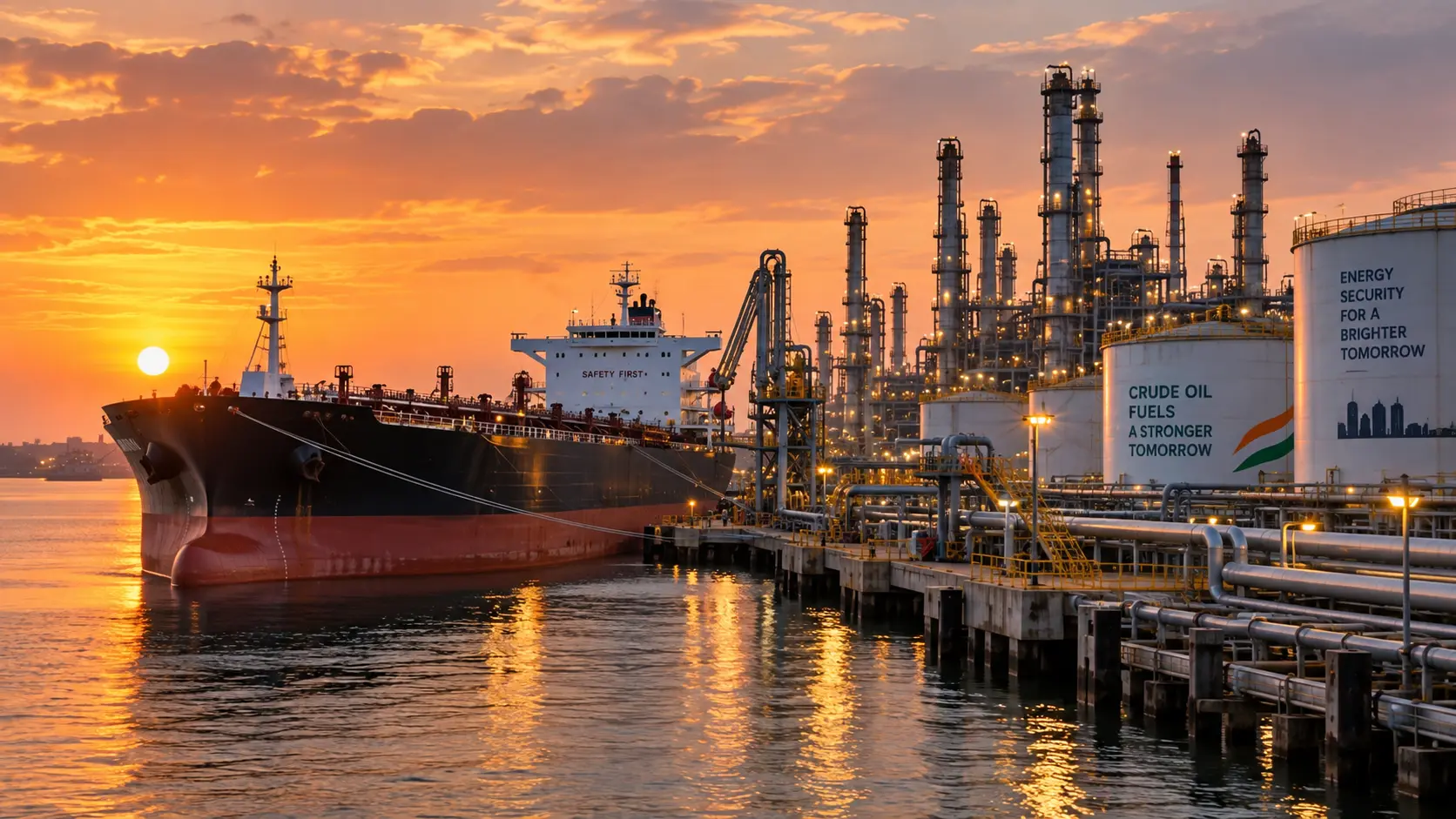
Following the disruption of global energy markets post-2022, Indian refiners turned significantly toward discounted Russian crude to manage input costs and secure national supply. India’s strategic diplomacy allowed domestic refiners to process imported crude efficiently while maintaining energy security. However, this substantial volume of imports makes India vulnerable should secondary US tariffs take effect on nations importing Russian energy products.
Core Impact Channels for India
US Tariff Proposal ──> Higher Export Duties ──> Reduced US Market Access for India
                     └──> Shift from Russian Oil ──> Global Crude Price Spikes ──> Inflation Pressure
-
Indian Exports to the US: The primary risk is not a direct US tax on Russian crude coming into India, but secondary tariffs imposed on Indian goods exported into the American market. Higher landed prices could reduce competitiveness, shrink profit margins, and force exporters to seek alternative global markets.
-
Global Oil Price Volatility: Squeezing Russian crude out of primary buyer networks forces refiners to bid for alternative supplies from Iraq, Saudi Arabia, and the UAE. Increased competition for non-Russian crude risks driving up international benchmark prices.
-
Domestic Petrol & Diesel Prices: Higher global crude raises India’s total import bill and puts pressure on the Rupee. However, retail fuel prices at Indian pumps do not rise automatically, as they depend on refining margins, central and state taxes, exchange rates, and pricing decisions by Oil Marketing Companies (OMCs).
India’s Strategic Mitigation Options
| Strategic Measure | Action Plan | Primary Objective |
| Supplier Diversification | Increase crude volumes from Middle Eastern and African producers | Reduce reliance on sanctioned Russian trade corridors |
| Diplomatic Engagement | Negotiate country-specific waivers and carve-outs | Protect key domestic export sectors targeting the US |
| Refinery Mix Adjustments | Adapt technical crude blends based on landed costs and compliance | Balance input economics against international trade risks |
Frequently Asked Questions (FAQ)
Q1: Has the US already imposed a 100% tariff on Indian goods?
No. The measure is currently a proposed bill moving through the US legislative process. Final implementation, exemptions, and coverage depend on the final text signed into law and subsequent presidential executive actions.
Q2: Will Indian petrol and diesel prices double if the tariff passes?
No. Retail pump prices depend on multiple internal factors, including state VAT, central excise taxes, refining costs, dealer margins, and OMC pricing mechanisms, rather than raw international crude prices alone.
Q3: How can Indian exporters protect their businesses from secondary tariffs?
Exporters are looking into market diversification outside the US, monitoring bilateral trade talks for potential waiver mechanisms, and adjusting supply-chain structures to mitigate sudden tariff spikes.
Disclaimer
This article is for informational and analytical purposes only and does not constitute financial, investment, or geopolitical policy advice. Tariff provisions and bilateral trade terms are subject to change based on official legislative actions by the United States Congress and official policy announcements by the Government of India.
Related Coverage & Analysis: